
How The Church Supported My Foster Family

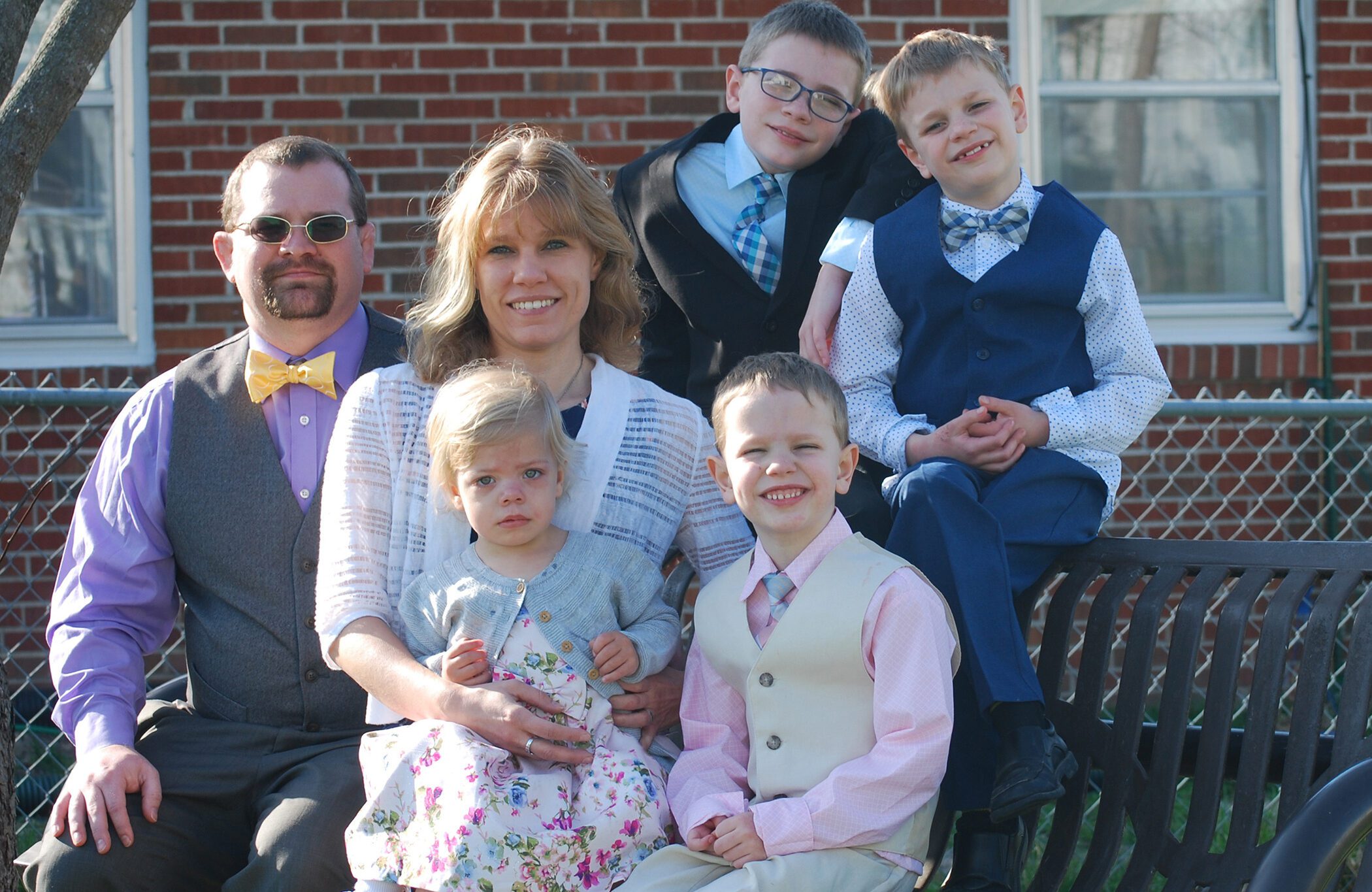
Meet James and Shannon Briggs, a pastor’s family from Fayette, Missouri. James and Shannon began their fostering journey in 2015 when they started the licensing process. They welcomed the first children into their home in 2018. At the time, they also had three kids of their own. As a ministry family, they have unique insight into the role of the church in foster care.
Through the Briggs’s fostering process, their church ministered to them through tangible things like childcare, clothes, diapers, food, and even renovating the parsonage with foster care in mind. They supported them by lending non-judgmental, listening ears. They also accepted and loved all their children, treating them with dignity and kindness.
One of the biggest ways a church can help foster families is by intentionally pursuing and being in community with them.
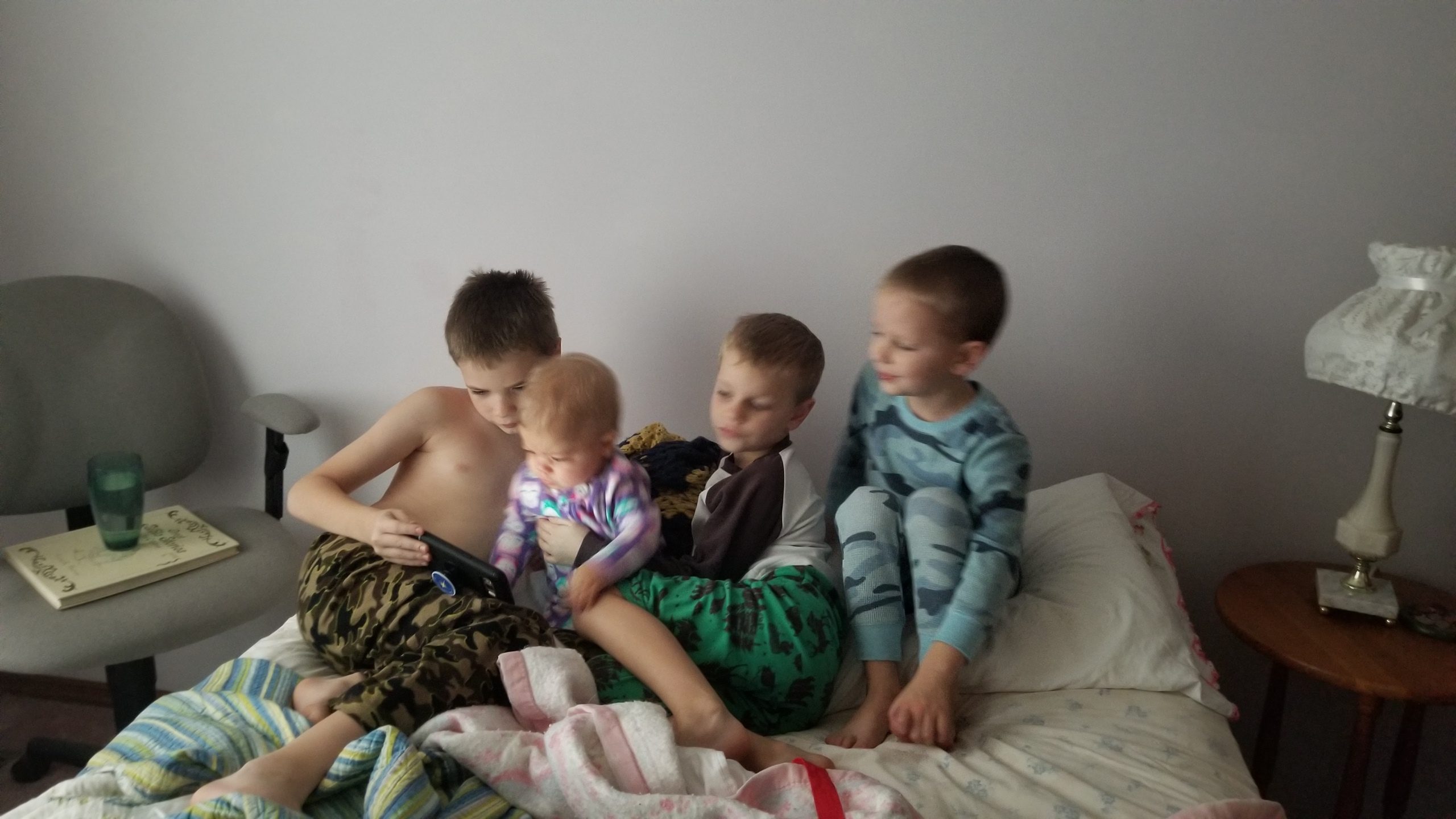

“Fostering can be isolating. There is difficulty and trauma happening in the home. Foster parents need people to pay attention to them, looking for ways to fill in the cracks. They need people to come around them and intentionally be in their lives,” said James.
Churches can also show support by speaking encouraging, affirming words, immersing the family in the Word, and pointing them to Christ whenever they’re around.
The church can be a lifeline to foster families when things get overwhelming. Foster parents may not always be able to pinpoint or articulate what they need. By being vigilant, this is where the church can jump in and help whenever they notice a need arising.


“Sometimes a foster family is drowning and needs the church to step in and say, ‘We are the life raft. We are going to help’” said James.
After adopting their daughter in November 2020 out of foster care, James and Shannon are not currently a foster care home. But they wouldn’t have been able to thrive as a foster family without the support of their local church.
If you would like to learn more about our Church Partners, visit coyotehill.org/waystohelp/church-partners.
Related Stories View All
